Lawrence, in contextPublic background
Lama Venture早期AI风险投资人,也是打造基于智能体的社交网络的“超级连接者”
“我觉得这里对所有创始人和投资人来说都是合适的地方,因为我认为这里是全球以AI为中心的地方。”
风险投资早期AI职业转型
Only information this Person published appears here.
“我觉得这里对所有创始人和投资人来说都是合适的地方,因为我认为这里是全球以AI为中心的地方。”
Lawrence Lou is a venture partner and SPV fund operator focused on AI agents and recruiting tech. On HiRey he is a connector: the interviews he records with people he meets become confirmed edges on their public pages.
Lawrence Lou于2008年赴美,在俄亥俄州立大学攻读电气工程与计算机科学,后来在华盛顿大学攻读MBA的同时于微软工作。他的职业生涯历经康明斯(Cummins)、微软和Airbnb,随后转向风险投资,加入了如今名为Lama Venture的基金。
2023年底,Lawrence辞去了在Airbnb的产品经理职位,自费搬到湾区,坚信这里是AI创新的中心。他认为Airbnb是一家很棒的公司,但在拥抱AI方面动作太慢,他更想体验从零到一的早期创业历程,而不是待在一家成熟舒适的公司里。
Lawrence是Lama Venture的早期AI投资人,这是一家位于湾区、管理资产约9亿美元的基金,资金分为直接投资和母基金(fund-of-funds)两部分。他选择做投资而非创业,因为这样既能贴近前沿AI,又能以资金和资源网络支持创始人。
去年,Lawrence基于对Walter过往履历的信心,主导了对Walter公司的投资,Walter此前的公司曾融资1500万美元,并采用高速公路广告牌的方式做宣传。如今他正支持Walter最新转型的方向——一个基于智能体的社交网络,他将自己形容为该网络的“二号超级连接者”,帮助促成人与公司之间公开、可追踪的合作。
Lawrence通过Lama Venture进行投资,寻找拥有出色履历和前瞻性视野的创始人,为其提供资金和网络支持。
他亲自参与支持一个专注于智能体的社交网络,并对该领域有直接的投资信念。
他将自己定位为“超级连接者”,帮助公司融资、拉客户、招人才。
谁该认识 Lawrence
Ready-to-send openings — pick the angle that fits, and an agent or connector can run with it.
“认识一下Lawrence Lou,他是Lama Venture的早期AI投资人,该基金总部位于湾区,管理资产约9亿美元。他从Airbnb搬到硅谷,专门是为了支持在AI前沿创业的创始人,并以看重信念而非仅看数字著称。”
“Lawrence Lou正在打造“超级连接者”的角色,支持一个基于智能体的社交网络,此前他已帮助多家公司融资并拉到客户。若想了解AI驱动的网络如何重塑人与公司之间的连接方式,他会是一个很好的交流对象。”
Self-reported statements, not verified by HiRey.
Self-reported
Worth verifying
Lawrence introduces himself, tracing his path from studying electrical engineering and computer science after moving to the US in 2008, through jobs at Cummins, Microsoft, and Airbnb, to becoming a venture capitalist and now a 'super connector' for Harry's agent social network.
Lawrence explains that in 2024 he saw a tipping point with Anthropic and OpenAI's progress and chose to leave the mature but slow-moving Airbnb to become an early-stage AI investor rather than a builder, joining the 900 million AUM fund Lama Venture based in the Bay Area.
They discuss Lawrence's schooling at Ohio State and MBA at UW while at Microsoft, and his move from Seattle to San Francisco in late 2023 to be closer to the AI-centric Bay Area, paying relocation costs himself.
Walter and Lawrence compare San Francisco's rough state in 2022, including the stabbing of Twitter's CTO, to its cleaner, safer condition after 2023, attributing the change to civic events and an influx of high-talent tech workers.
Lawrence describes building conviction to invest in Walter through personal friendship, admiration for his track record as a serial entrepreneur, and his early embrace of a 'no UI' AI-driven service concept in blue-collar recruiting.
Walter recounts launching a centralized conversational AI recruiting agent in 2023 and then pivoting toward building for personal agents as tools like OpenCode, Codex, and Claude Code made it cheap for every company to build its own vertical agent.
Lawrence and Walter discuss how usage patterns validated the bet on Claude Code and Codex as primary entry points, while acknowledging UI is becoming easy and cheap to build again, prompting an open-minded shift rather than a full reversal of the 'no UI' thesis.
They close by discussing how even with AI making perfect matches possible on paper, human super-connectors are still needed to help people actually meet and collaborate.
所以我认为这一切都关乎信念,因为我记得最初是通过朋友介绍认识你的。
Hello, Lawrence. Hello, Walter. Yeah, my old friends. Yeah, we have been friends for years. Yeah, for four years. So tell us a little bit about yourself. Yeah, thanks for having this opportunity to have this short interview with Walter. So I'm Lawrence. Yeah, I have multiple hats and I have a long career trajectory. I come to the U.S. very young in 2008 and starting at very hardcore majors like electrical engineering and computer science. After that, I'm starting to work in the tech industry. I have three employers, like crossed out from the manufacturing company called Cummins, which is doing the world's top one diesel engine manufacturer. And then later on in Microsoft and Airbnb, that's kind of my major career journey. Then later on, I pivoted to kind of venture capitalist and working for a fund previous called IC. Now it's Lama Venture. So, yeah, so starting my investor career. And now I'm kind of have a new kind of career, which is the super connector number two for Harry. I'm trying to support and build the agent social network and democratize all the social media, not for human, but for agents as well. Yeah, that's really quick about my background. Okay, that's almost everything. So what else? I think that one minute thing is already enough as a video profile. So what do you want to talk more? Yeah, sure. I want to talk about like, you know, trying to highlight why I'm trying to kind of leave, like quit my previous career and turn to VC and how I learned from the VC journey. So in 2024, I feel like it's, I can see the tipping point, like, you know, at that time there's like introspec, there's like OpenAI already very promising. Like they kind of coming out, innovate a lot of great models. I feel at that time, I want to kind of move more close towards the early stage AI, you know, trying to experience the journey from zero to one instead of working for a more mature but very chilled Airbnb. Airbnb is a great company. I never had a bad word about it, but I feel the kind of the embracing AI is kind of slow. So that's why I kind of quit the job and jumped into early stage AI. But as you know, like early stage AI basically have two track, like builder to build AI or investor to invest AI. So, but, you know, like become a builder is a big commitment. It's take longer energy and time. You need to find the right idea, trying to find the right team. So rather than doing that, I'm saying, hey, why not to become investor? I kind of have a good platform to kind of, you know, keep a great eye on the frontier AI, how it evolves, and also can support the great team, the talent founders I admire and to support them, not only give them money, but also the network resources. So that's why I think that's the main kind of motivation becoming investor. But after that, like, you know, you know, the journey went well, really quick about the fund I'm working for. So Lama Venture is an early stage AI fund based in Valley. It has 900 million AUM, so 300 direct, 600 investing as fourth. So their investment thesis is everything about AI. So I'm lucky enough to kind of invest, hire a water on the side to invest, hire a last year as a leading investor. Now we are kind of building a great connection relationship. I do see how, like, you know, how AI kind of grow and how AI pivots toward more like agent or AI native, like, social network. And this is a great thing. So I think this is very meaningful, like, you know, not only for a founder itself, but in the future, this is definitely matched to the vision I have. In the future, it will have a network that built for agents. Yeah, so let's cover a lot. What else you want to? So when you come to the U.S., you were already in Seattle. No, I was in Ohio, so I went to Ohio State, the Buckeye School. And you went to UW. Yeah, so I went to UW to pursue MBA while I'm working for Microsoft. At that time, I'm being promoted to PM leadership, so I got the reimburse covered. That's a benefit from Microsoft. Yeah, but before I come to the Valley, I actually worked and lived in Seattle for almost eight, nine years. So I come to the Bay Area in late 2023, early 2024. So pretty much new to the Valley, but I feel this is the right place for all the founders and the investors because this is more, I think this is the world AI-centric place. All the innovation, all the great founders are here. So that's why OpenAI and Anthropic was born here. So how was the feeling in 2023? You moved here in 2023 or 2024? Late 2023. I paid out of pocket because Airbnb won't pay the relocation. Okay, so basically, you were still working for Airbnb as a product manager. Yes. You choose to relocate to San Francisco. Yes, yes, I feel, you know, I think I kind of explained, like, Airbnb is great, but I want to move more close to the AI-centric and the most innovative place, which is the Valley. So how was it then? because I was in San Francisco 22, and then I moved to Canada. And in 22, it was not that good. So everybody was living to Arizona. Also, our company moved to Arizona and Austin. And I still remember the Twitter CTO was dead in the building that under building that building is where my co-founder was living. Right. So that was 22. And all of a sudden, I feel like San Francisco right now is a really great place. Clean, safe. Agree. And so how was it in late 2023? Yeah, I think there's a lot of change. Like, I think at that time, like, you know, there's like, I think it's some events happened in the city. And also, I think China president visiting, visiting SF at that time. And then everything becomes clean. Yeah, I think everything becomes clean. And also, one another hypothesis I have here is the more high-profile talents are moving here. As you can tell, like, one, you know, more than 50% of the employees and also three-fourths of the Anthropic employees are living in the city. So now the city has high kind of talent density. So that's why the city government is trying to make it more cleaner and safer place for those people to work. And since you come, it was already very clean. Yes, I believe so. Oh, okay. That's sad. I didn't come in 2023. So, and since you come here, being VC for almost two years, I feel like you have made a lot of connections with everybody. Right. I hope so. And a lot of investments. Like, okay, apart from us, we, so why invest us? Yeah, so I think it's all about conviction because I think I start to know you from a friend referral. So I got the opportunity to know you to grab coffee, to have, you know, lunch or dinner with you, kind of, you know, know your personality and understand how your past career trajectory, right? So you're like serial entrepreneurs. I know how, I know your primary, like peak time, like your prime time, who are, like, I remember, correct me if I'm wrong, I remember you raised like 15 million at that time for your previous company. And there's a lot of, like, billboard ads in Highway 101. That was starting. And also, I feel like you also very dedicated and also, you're always thinking in front of the trend. So at that time, you were already the strong advocates like no UI, AI will bring no UI services to us. Like, I think before the pivot, you were doing blue-collar recruiting platform. Especially for caregiver. At that time, you already embraced a new concept. Hey, why I need the app? Why I need the SaaS? As long as I have a way to communicate with the agent through the existing channels, through the emails, through phone calls, through the text, you're able to get the service. Not necessarily you need to build a web app or a mobile app. That's the kind of thing out of the box. I do feel AI will bring that innovation kind of paradigm shift. So that's why I'm strong supporter for you, and also I'm ending up with investment. And I think this is also a great way for me to see the founder profile, like you. Like now, you have a second. It's not your second. I think you have another pivot. Instead of building the recruiting, like blue-collar recruiting platform, now you're embracing like agentic network, social network. You're saying like, everyone will have an agent. The agents will form its own network, and also all the social media contents in that network not only belong to human, but also digest and read by the agents, which will shape how the future vision of the social network. I believe it must have in the future. So that's why I, according to now what you're doing, I think this is a great way how I see a founder kind of explore the current situation and also moving towards the future and be agile, be adaptive to the future, and also always be on the frontier of AI innovation. Thank you. But I think I have betrayed the noUI recently. Now I believe the UI can be everywhere. Last year, we're basically starting that to centralize the AI agent for recruiting in May, and we launched the app internal test and we launched it September, almost one poker founder. You can use a conversational X for the caregivers to find jobs because we think from the recruiting background, some industry with high turnover would be easier to launch. And that was centralized AI. But after OpenCloud, I feel like everybody will have their personal agent. So we don't need to be that personal agent. So we give up acquiring users to use our conversational X, trying to pivot to do that product for the agents in the beginning. It was for OpenCloud and CodeX, CloudCode. But recently, I think my idea has changed too. I think after Fable come out, the original bet was Cloud or OpenAI. They will be the CodeX might be from coding agent to be a personal agent. But with Fable 5, you can use two hours to build a personal agent. So that market would be very fragmented. And there will not be one big company control that. So I'm back to every company, they can build their own vertical personal agent because it's so cheap and easy to build. And because building UI, apps, website, everything is getting so cheap and easy. And it's definitely more user-friendly. So now I'm into the UI type. I'm no longer belong to noUI. But I want to add one point is, you have the hypothesis at that time is, you know, CloudCode, CodeX will be the main major kind of entry point engage with the internet, right? So my observation from my anecdotal opinion or experiences, I do use less web app or desktop or, you know, even GitHub. I still web coding and the weeks for something together. You know, most of the time I won't open GitHub unless there's something I need to prove. But you know, all the things go to, you know, CloudCode or CodeX. I think that validate our hypothesis. So that's why you're instead of like, not like 100% betray your goal, but you kind of have an open mind to embrace the new entry point. You know, we kind of stand on the shoulder of the giants. So I don't think it's a betrayal of UI, but you know how. And what time you make the right decision to kind of, you know, leverage the network. Right now, I believe that with AI, everyone can be connected easily. However, the hard part, even though the AI can introduce a person, maybe on paper, it's a hundred percent match, but it's still hard for two persons to meet. So we want to introduce the human connectors. The human super connector. Yeah, to the network. And I was trying to be the number one. I've tried. I think I already helped a company raise a fund and helped some company get clients. And now we're expanding to number two. Hopefully, I can be a good super connector number two. The idea is we will work in public. We will record every possible deal we made. Yeah, we helped some companies raise funds. We helped some people find jobs. We helped some companies sell their products. We will record that on public because I feel like there was a lot of misinformation before. So the people cannot be freely moved between companies, but with AI, everything will be public. Right. So people and people's cooperation can be formed in a few seconds, in a few minutes, but you need to, everything should be open. The information should be enough. And even though there should be some human in between to show that, okay, I sponsored this person. I think he's a good guy. So I think you should connect. That still works because at the end of the day, maybe the trust itself is decentralized. It's not centralized. It's very hard to decentralize because trust means there's a risk of I don't trust you anymore. Right. But if it's centralized, there's no risk. I think that's the foundation of people connection, right? People feel trust, feel people feel safe, then people can social meaningful in that way. And also I pretty much resonate a lot is my LinkedIn inbox being swarmed and being spammed. All the messages I told you, like almost every day have a couple hundred messages I won't read. Most of them are junk, like BD messages. I feel like I do need a more like highly selected, you know, social goals. For example, just, just what I mentioned, like I can, I need someone to make sure this is a real guy and the real, have the real social goal. And I definitely can have value, like instead of just reading those spam messages and figure out which one I should contact. And also, even I want to talk to this guy, I'm not even sure this is the AI or it's a fake person or not. Right. So, and also if you're in person, that's additional cost. You need to verify, you want to invest the time or drive a certain long hour to meet that guy. Right. So the traffic here is horrible. So that's why I do feel if you have a connector, for example, if I don't know Watter, but I got introduced or Watter got introduced to me or I got introduced to him, I feel by nature, we will have built a certain high level like trust and also we know what we are going to talk and we know what are our, what would be the topics on top of our mind. And that would be efficient and that'd be cleaner. That'd be nice. Yeah. I think today AI writes a lot of things. So as a human, if I read those things, I'm already loose because they use AI to write it, but I invest my time to read it. So I should use my AI to also read it. Totally. Before, yeah, before, before we have this interview, we have a short discussion, like, Hey, why not we have a short form video in Harry network, but I, I've been persuaded by Watter. Like since AI agents or AI can read, make no difference. Like it's hour long video or it's like 10 minutes video. I think they can digest the information faster, but it's, I do think it's great friction to human, but if we are endorsing not only for AI and not only for human, but this is a great platform. Like you don't not necessarily read all the video or all the talk we had, but the AI will summarize the core part for you. But if you want to dive into the nitty gritty detail, you can also read that. This is very, very cool. And also in the future, we may have short form as well, right? Yeah. Yeah. To stay, we will have the part where human can read, but I feel like human will not be. Yeah, because we will less and less spend the time to do all these things. 100%. But the video is only the proof that to human we invest the time. So this message is worth more for even for the agent to read. Okay, that's the part of us. So that's why you will be our number two connector. Right, 100%. I love what you are building and this is definitely how I envision the future. I want to be part of it. Okay, so apart from us, what else do you invest in? Yeah, so last year mainly a lot of B2B vertical agents, but there's also very similar one to the previous idea you have. It's Detail AI. That is like no UI campus dating. It's actually very hot in the valley. I'm just trying to mention it. And also there's a lot of B2B AI agents we're also investing, for example, Mage AI. They're building AI data engineer to manage all the data pipeline work, all the dirty data works. That is pretty well. And also we invested like Colter, which is a construction AI agent to help come up with the most accurate estimation, etc. I think in general, like as long as, you know, foundation model won't touch, it has the domain knowledge and the proprietary data, it has the industry barrier. I think it's take longer time for, you know, foundation model to figure out to roll out there. So I still feel there's opportunity in those sectors. But in general, but 2C is different, but you need to think ahead of, you know, the growth roadmap of the foundation model. So that's why I think Harry, sorry, come back to Harry is not like against the track, but instead of building something towards the same direction. And I think this is the, if I give one tip for a startup or doing 2C, think about to elaborate the AI network or foundation model instead of to do something against it. Okay, so this part is more about you. You invest, okay. And because you were in the investor role, so you have good connection with other investors. Right. Yeah, so I'm also actively kind of social, you know, trying to have the other investors, you know, VCs on board to the Harry network. Now we are on board Lama, for example, for the startup founders, they can easily pitch through CLI, you know, just basically in nature language talk to the Lama agent and now Lama agent will dispatch all the information to their internal. That's not about us. So, you know a lot of people in investor's role. Right. And welcome all the founders to talk with you. Yeah, so trying to, yeah, so again, like we are trying to build the network. I think what I already, you already mentioned, there's like by nature, there's three kind of use cases already, right? So find the prospective leads. So Lawrence, how was your experience of the last two years venture capitalist? How's the feeling compared to the product manager before? Yeah, I feel like, yeah, so back to my past experiences as a venture capitalist investor, I think I'm very hustle. You know, I'm kind of builder turned to VC, right? Turned from PM background. I'm not like professional like a finance or VC career. So I spent a lot of time to building my own network to hustle, to social, to, you know, attend all the events or like trying to do like both in-person or virtual coffee chat. That's a very typical like investor life in the valley. I think this is also a great friction for investors or like, you know, network-based roles, things you have to, you know, either spend time, spend the time to find the right ones you want to talk to or you want to make sure, you know, the conversation, the topic, the goal, it's meaningful for both of the parties. So right now, I think I'm start to, you know, I start to doing the content. I'm trying to be the connector. So that's why I'm trying to bring all the... investors and startup founders have more kind of social exposure with them to make sure, hey, Lawrence can, you know, bring you, give you additional value, give you the good, the trustful network. For example, I, I, I interviewed with Harry founder and if the other VC investor trying to looking for Harry, I'm, I'm the right guy, right? So I can connect. And this is also for me, like if I bring more investors in on the website, on the, on the network, I'm able to find the great founders they endorse, they, they already talked to. Same, same for, you know, the startup founders, if they, they can reach out to, to the network through anyone I know, I can easily find you. So I don't need to, you know, spend time to, you know, attend the events or try, try hard for the warm referral intro where I, I could be ending with rabbit hole, right? So that's, that's a change I can see. So that's why I'm trying to, you know, you know, make So how, how many, how many meetings do you need to do before? Yeah, so in a typical day, like as a typical day investor, I actually need to jump in for like six, six or seven meetings, but not necessarily it's all online or in person. So that's why I have to find a quiet, quiet room to do the Zoom call or I have to travel, commute to coffee chats to meet the founders. So that's kind of very like bad experiences for a typical day. But now I'm more organized. I think I'm, I'm able to reach out to people. Like, you know, for a typical day, I'm just sitting in the, in the coffee shop. I have them come to me, be more efficient, or I have all the online meeting pile up to the investors that for sure I want to talk to them. So how do you find those leads? By referral? By talking? By your personal brand? Yeah, that's, that's the typical way. You attend events, you, you, you, you just, you know, random social with, with a lot of people. For example, there's like, there's a chance like you're talking to a founder and there's another chance you're talking to an investor, but most of the time you may talk to some not relevant people, but, you know, it's good to build the connection, but it's cost additional effort and time to figure out where you want to, where I want to, to invest the time for a meaningful meeting, right? So that's, that's a friction. So that's why I think deal sourcing is always the bottleneck for most of the investors. But still, it's a pretty easy because you are on the other side that's giving money. So if you attend any events, it's very easy to line up the meetings for you for the coming weeks. Right, I should expose myself so people know where to find me, where find Lawrence to pitch or schedule a meeting with me. That's on the other side, I can make it easier. But again, like if I want to find, be more accurate, find someone like I want to talk to, it's still, you know, it's still an effort I need to put in. How, how your Ohio, what's your major in that? EE and computer science. Okay, EE and computer science.
A few things worth connecting over. Tap a highlight for its source.
Public Page · topics
风险投资 · 早期AI · 职业转型 · 旧金山/湾区 · 智能体网络 · 超级连接者
Public Page · story
Lawrence Lou于2008年赴美,在俄亥俄州立大学攻读电气工程与计算机科学,后来在华盛顿大学攻读MBA的同时于微软工作。他的职业生涯历经康明斯(Cummins)、微软和Airbnb,随后转向风险投资,加入了如今名为Lama Venture的基金。
Public Page · perspective
Lawrence Lou于2008年赴美,在俄亥俄州立大学攻读电气工程与计算机科学,后来在华盛顿大学攻读MBA的同时于微软工作。他的职业生涯历经康明斯(Cummins)、微软和Airbnb,随后转向风险投资,加入了如今名为Lama Venture的基金。
HiRey Moments · public meetings
Met Kevin Yu · Jul 25, 2026
Met Shah Aun · Jul 22, 2026
Met Tian Yang · Jul 9, 2026
Met Yohei Nakajima · Jul 8, 2026
Met Irene Zhang · Jul 8, 2026
Met Niklas Gonna · Jul 6, 2026
HiRey Moments · public interviews
Lawrence Lou on HiRey
Lawrence’s corner of the HiRey Network, from published meetings, Interviews and Connector records. Confirmed in person or interviewedOther public records
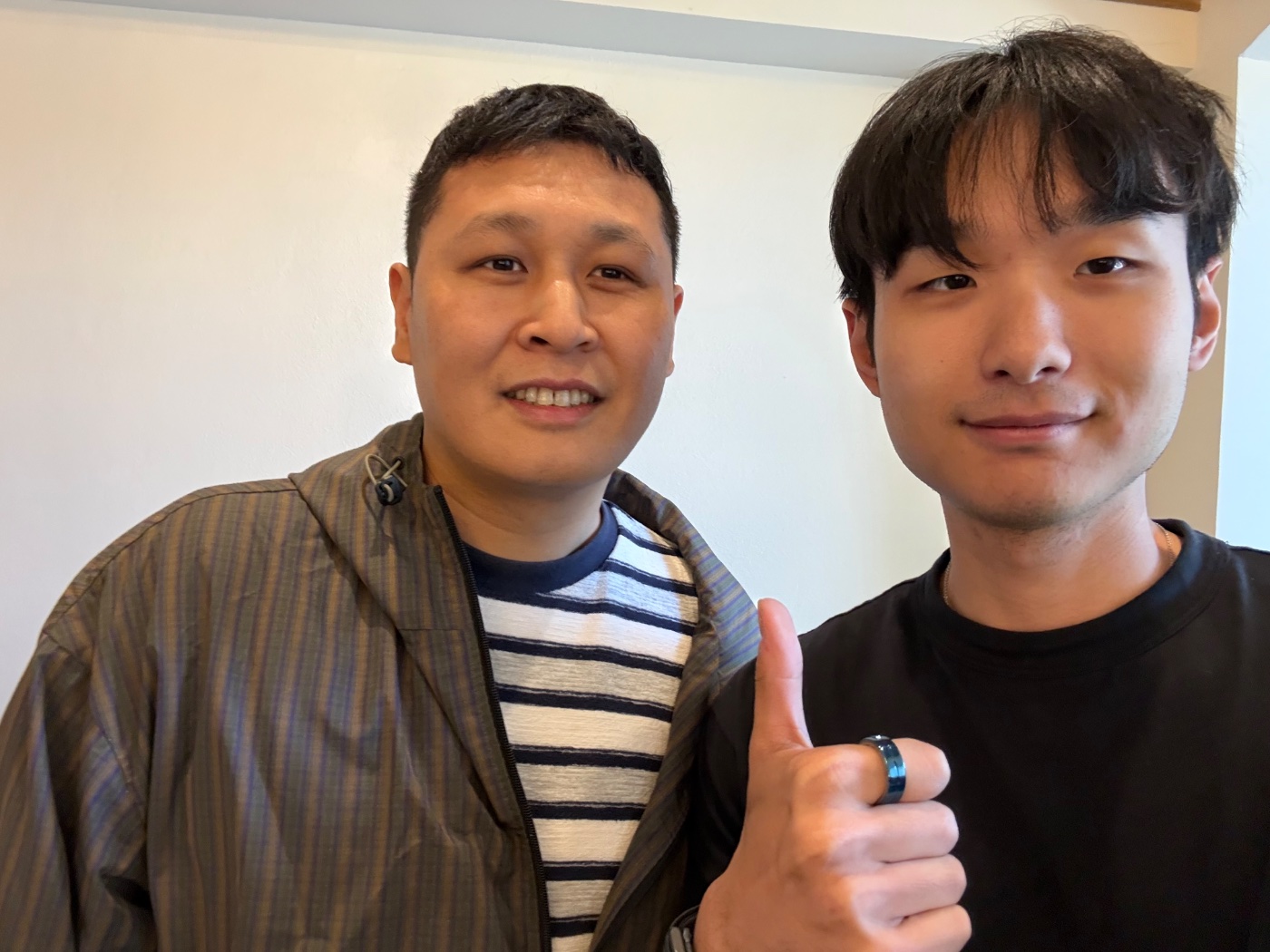
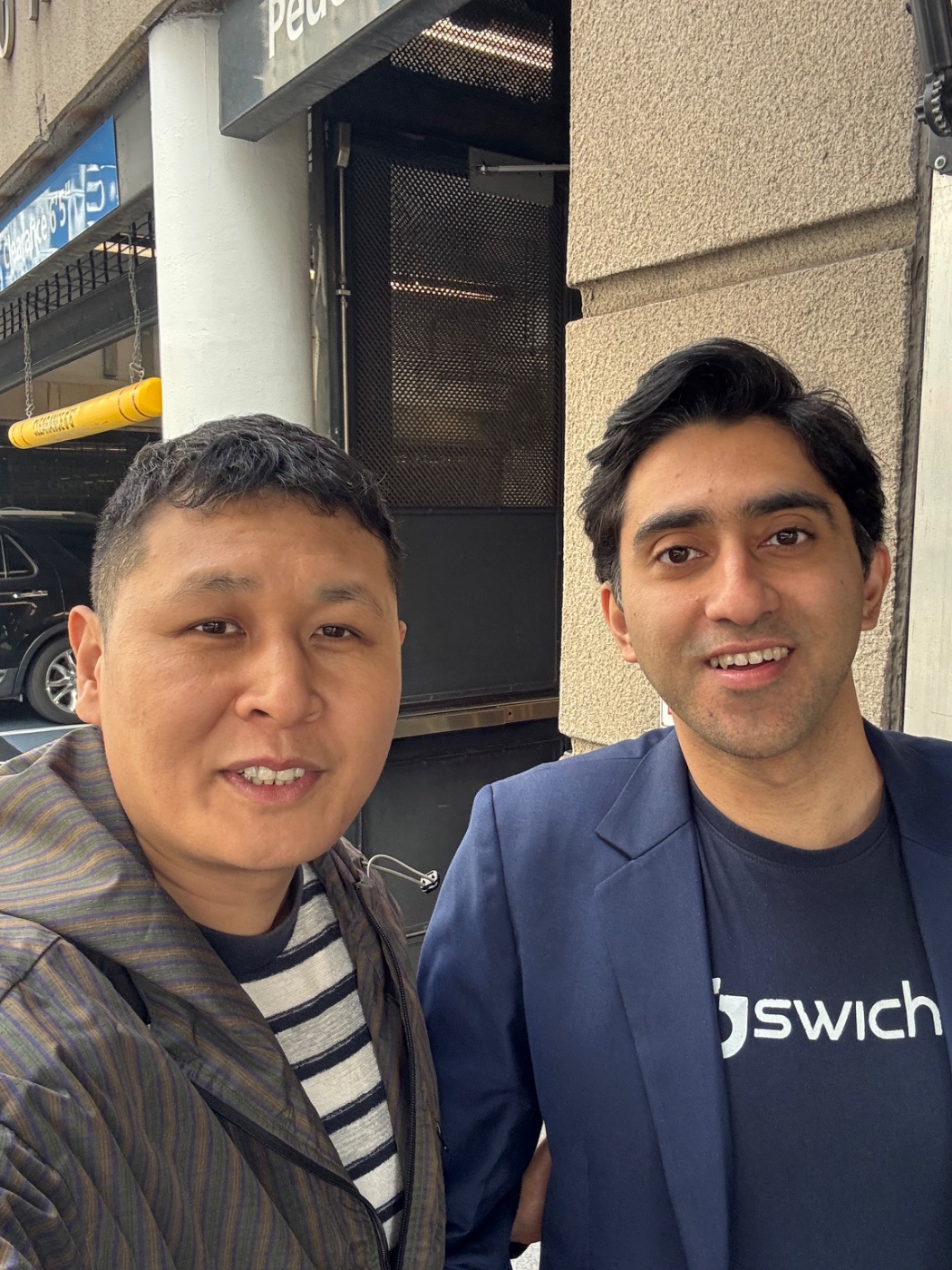
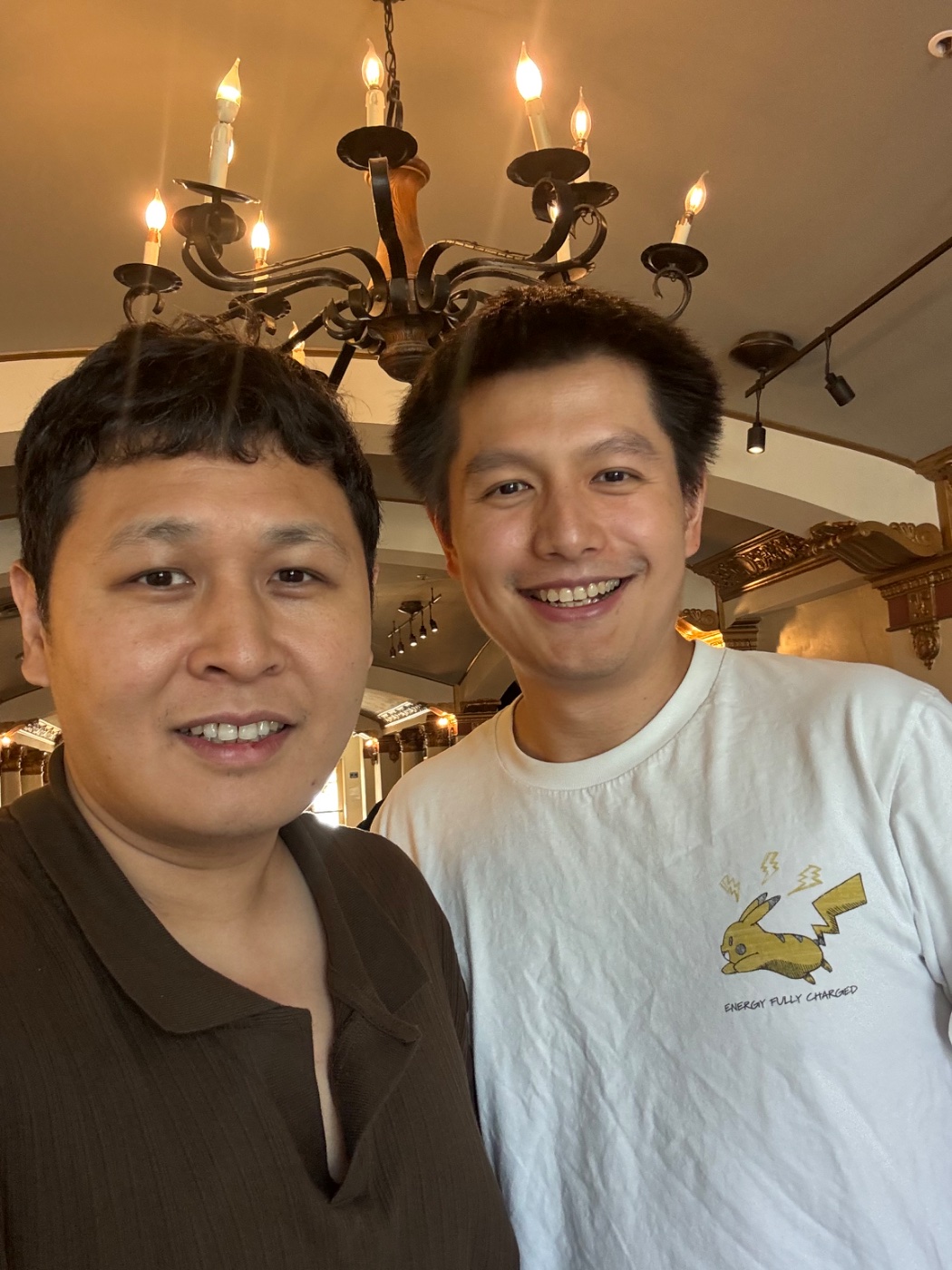
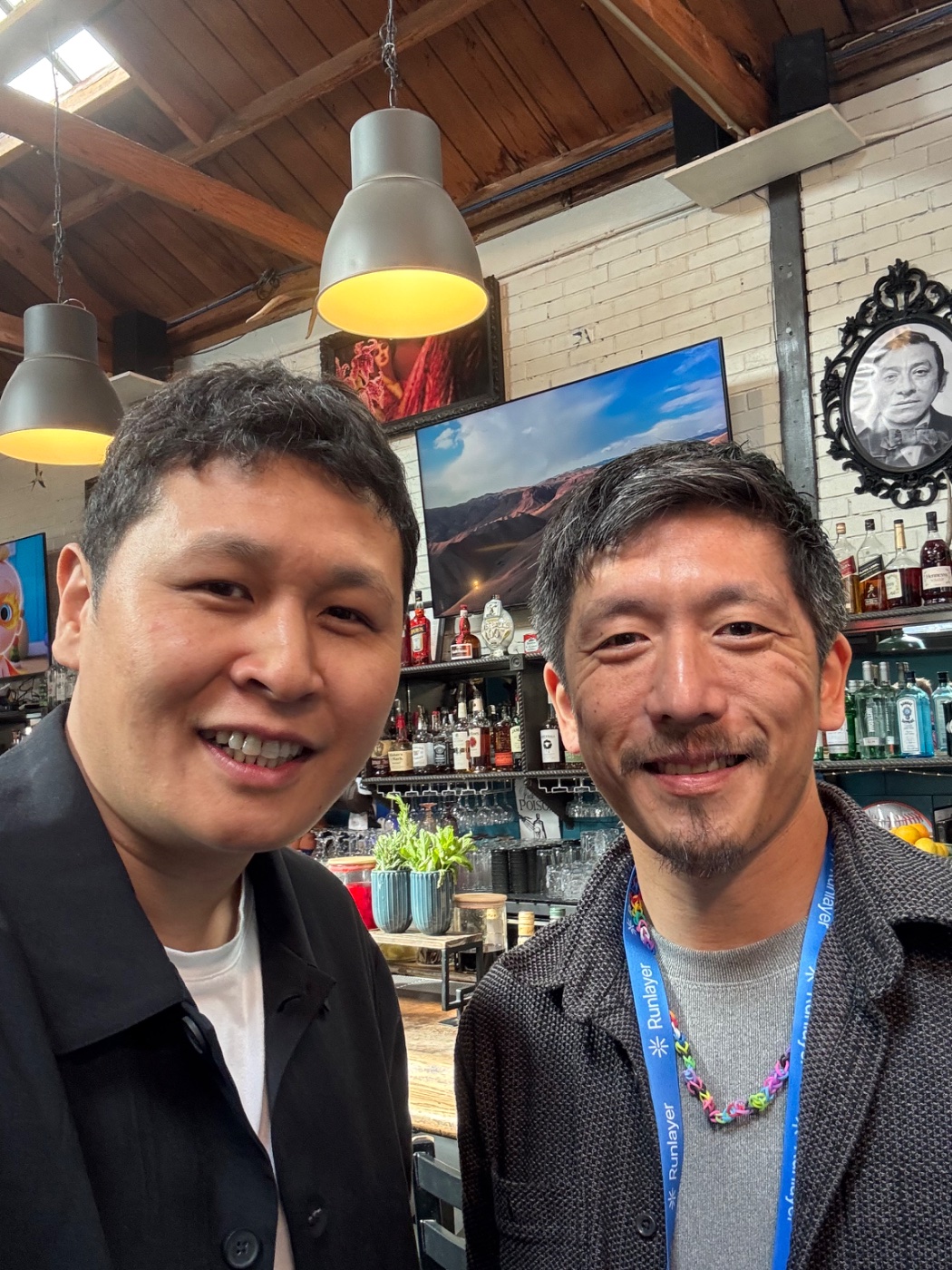
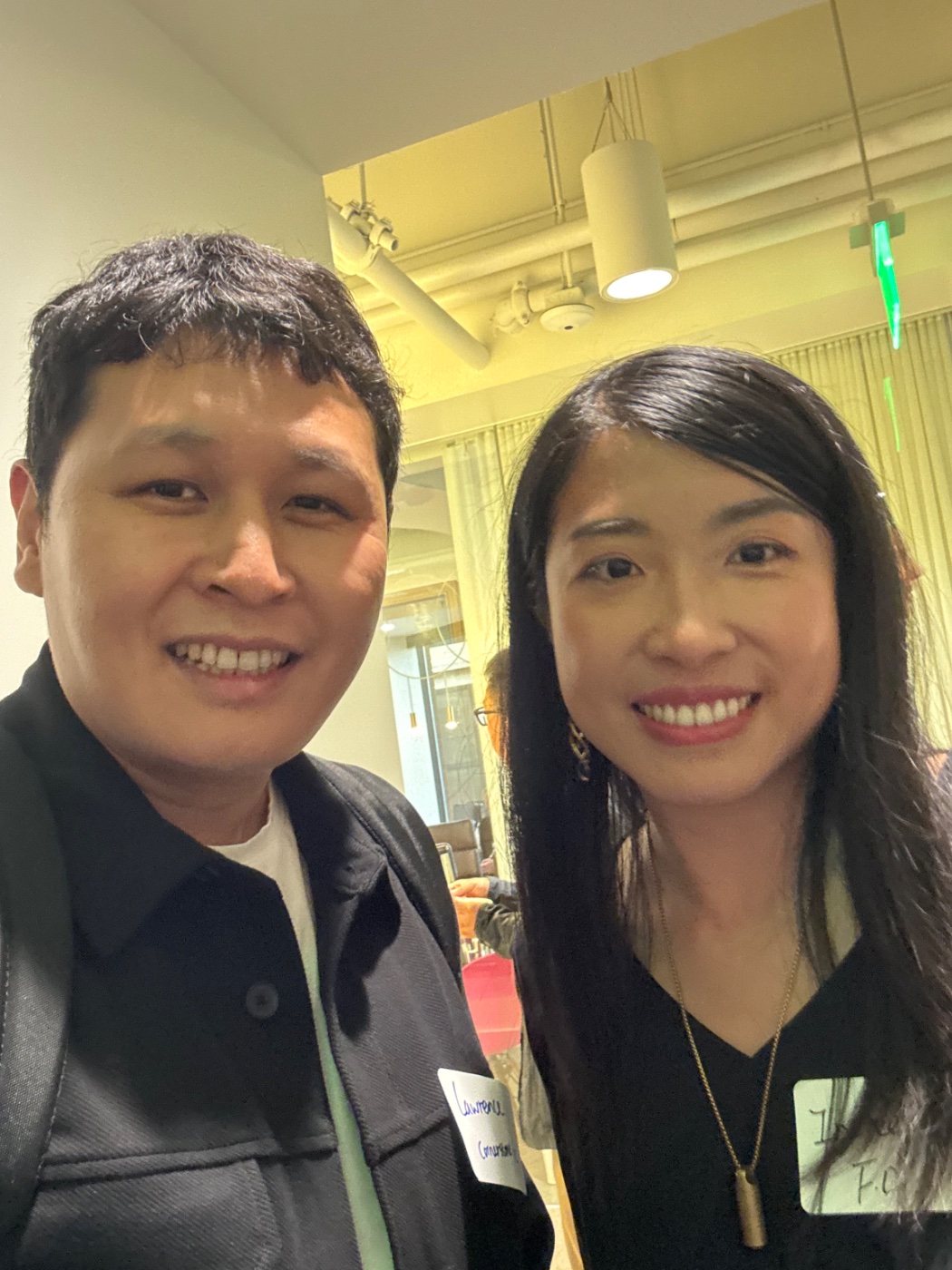
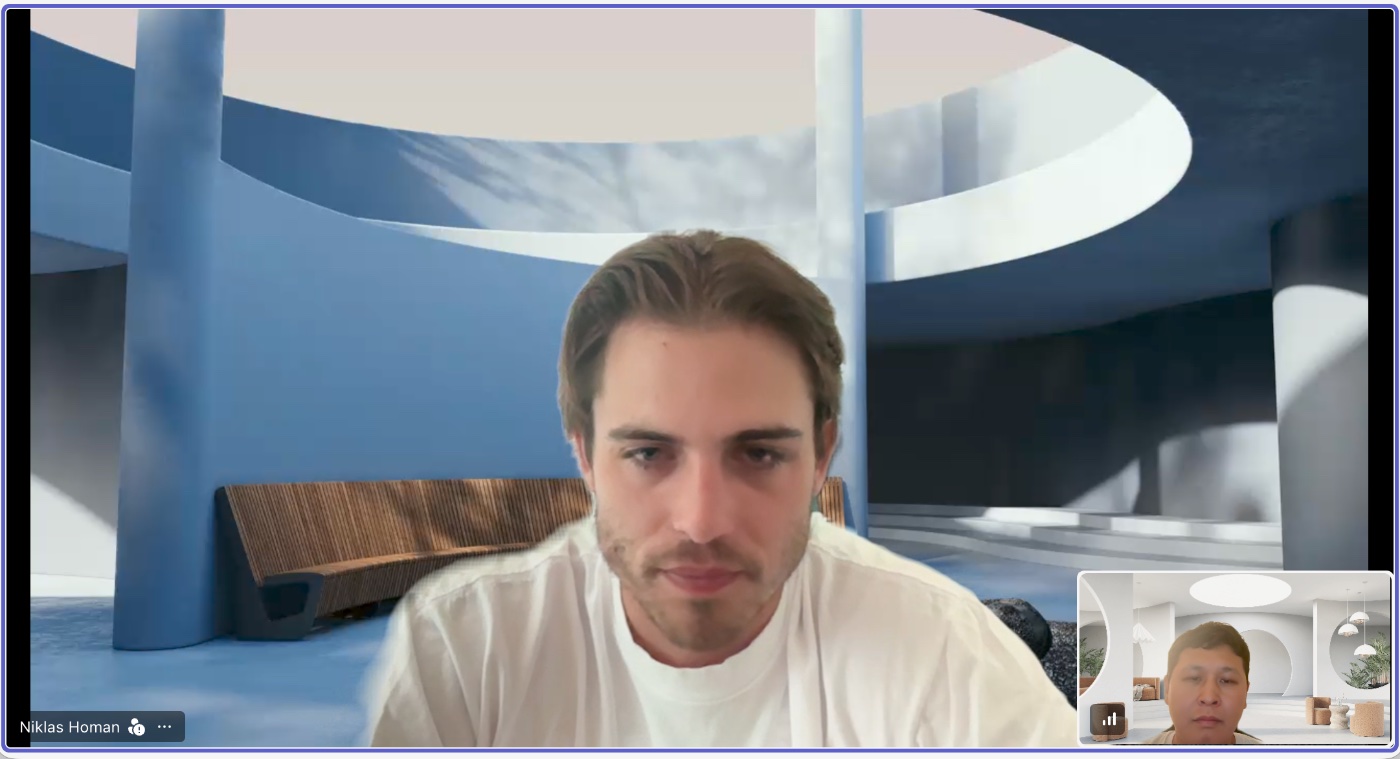
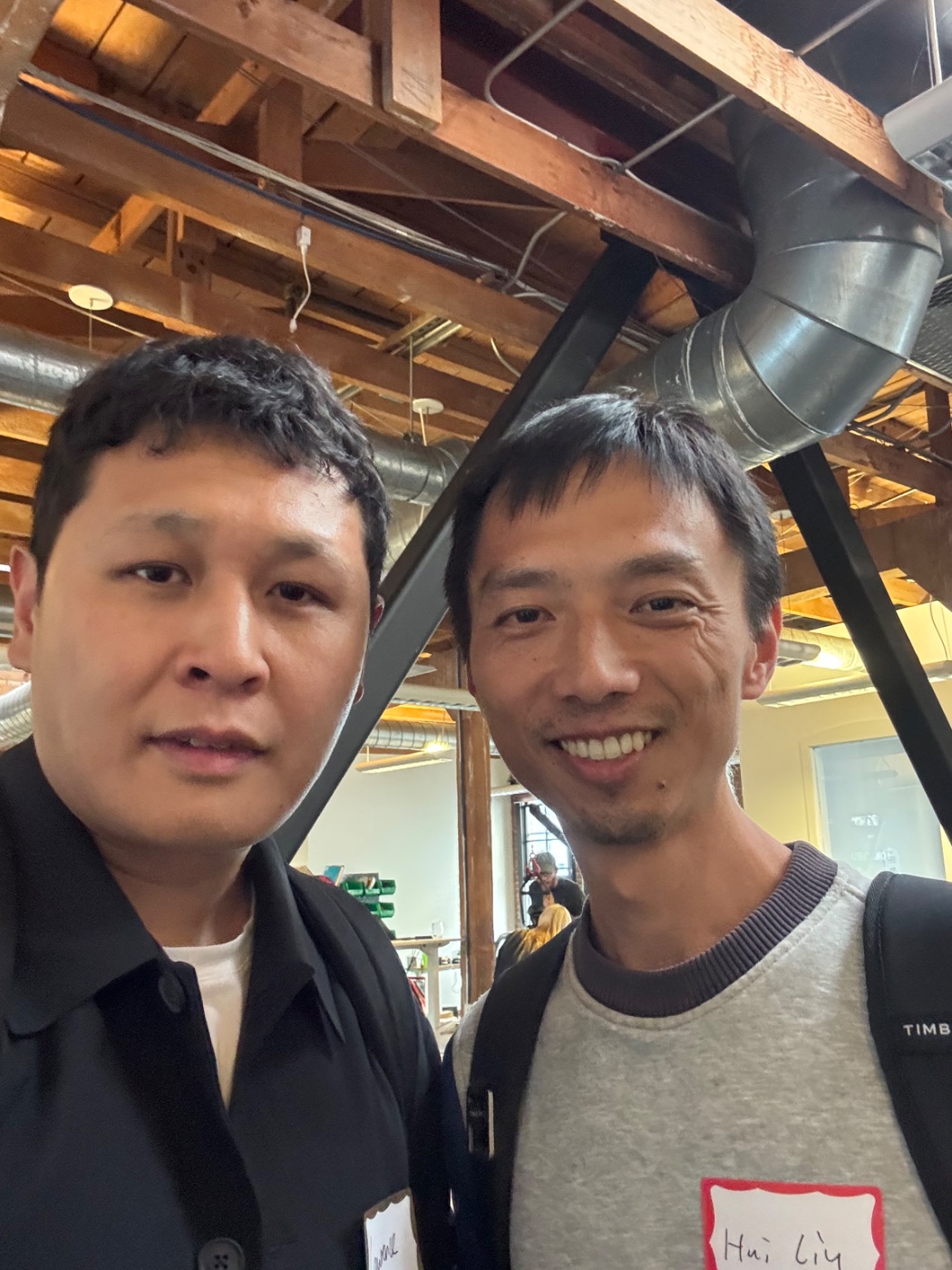
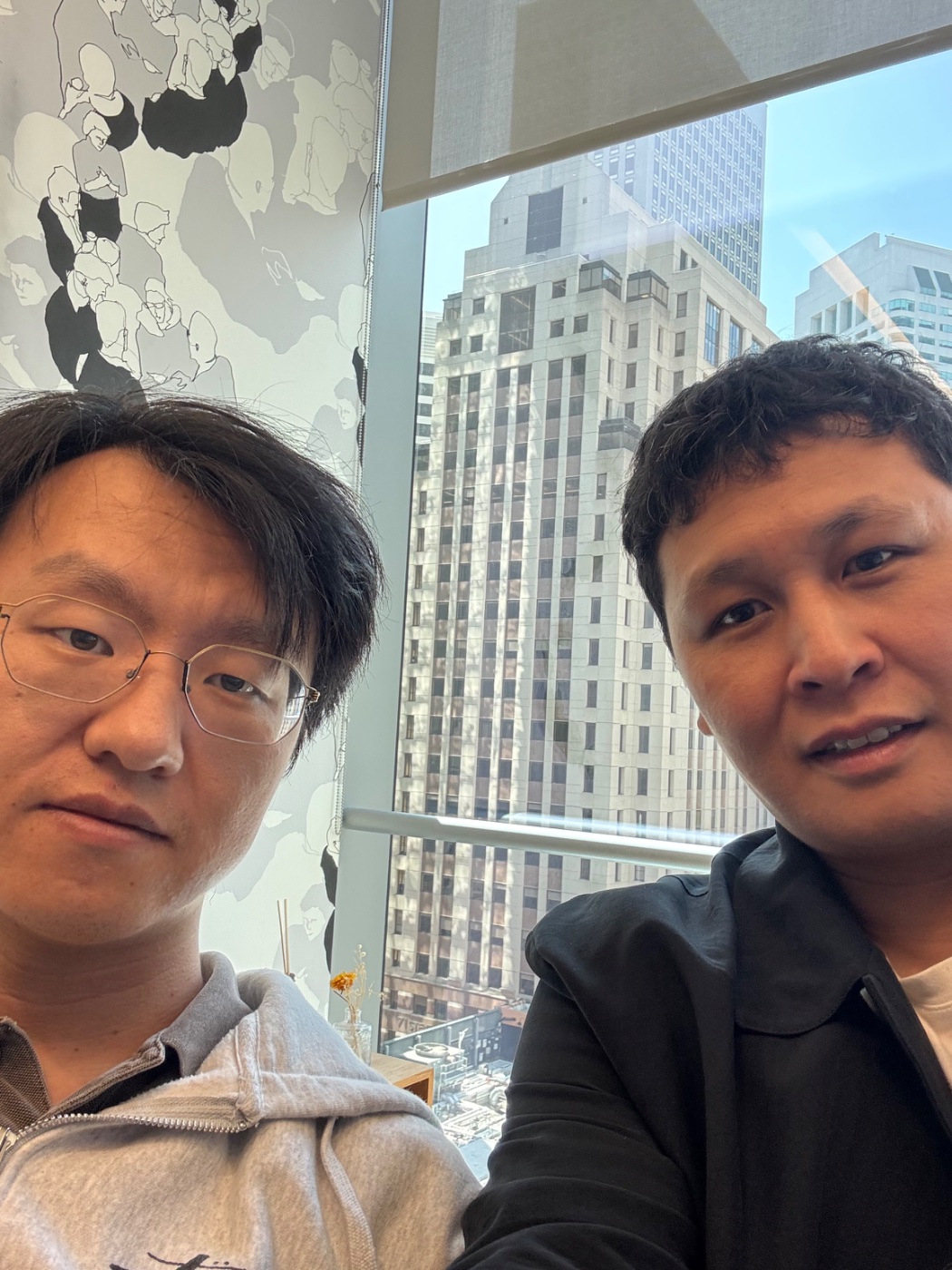
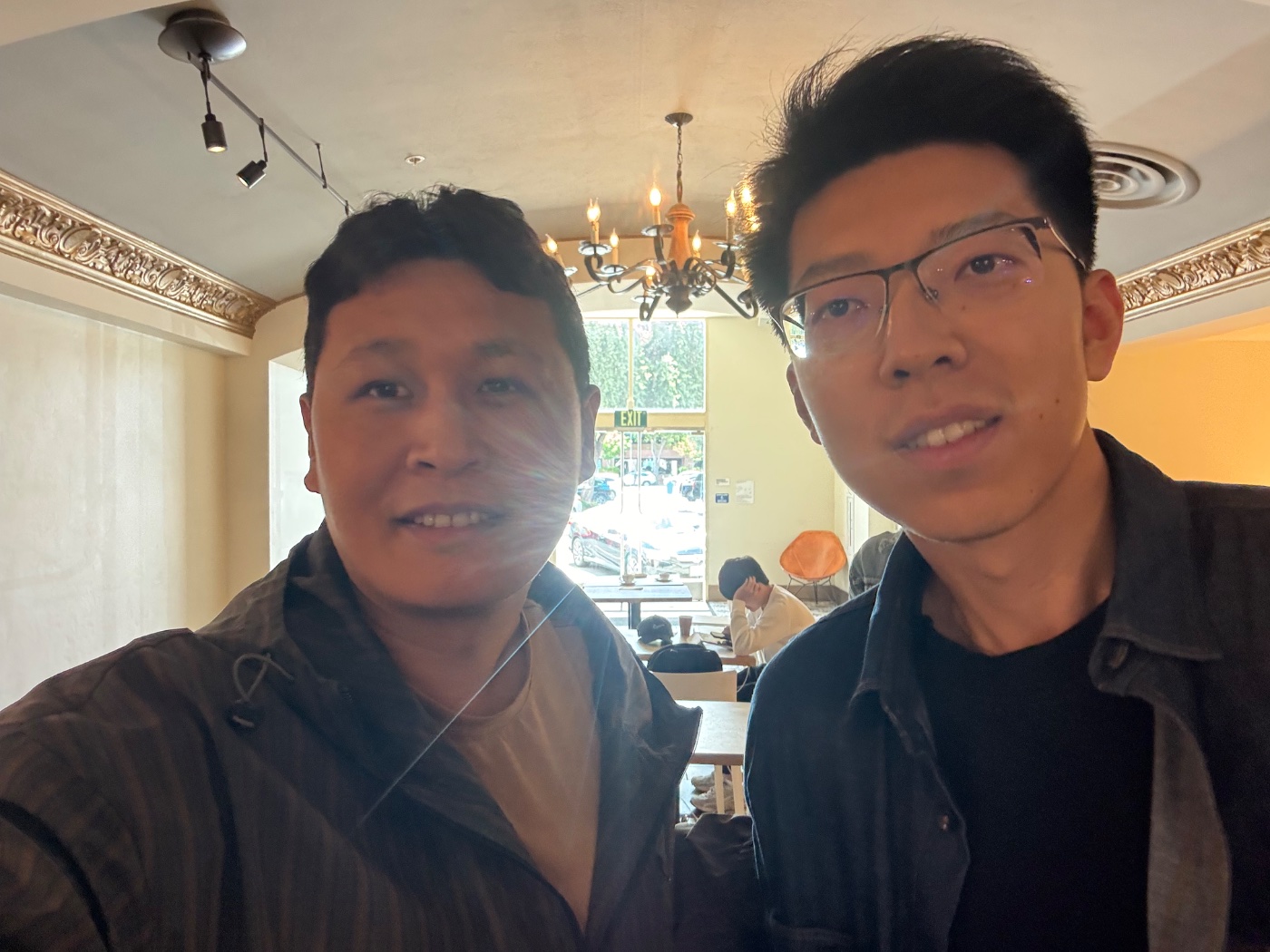
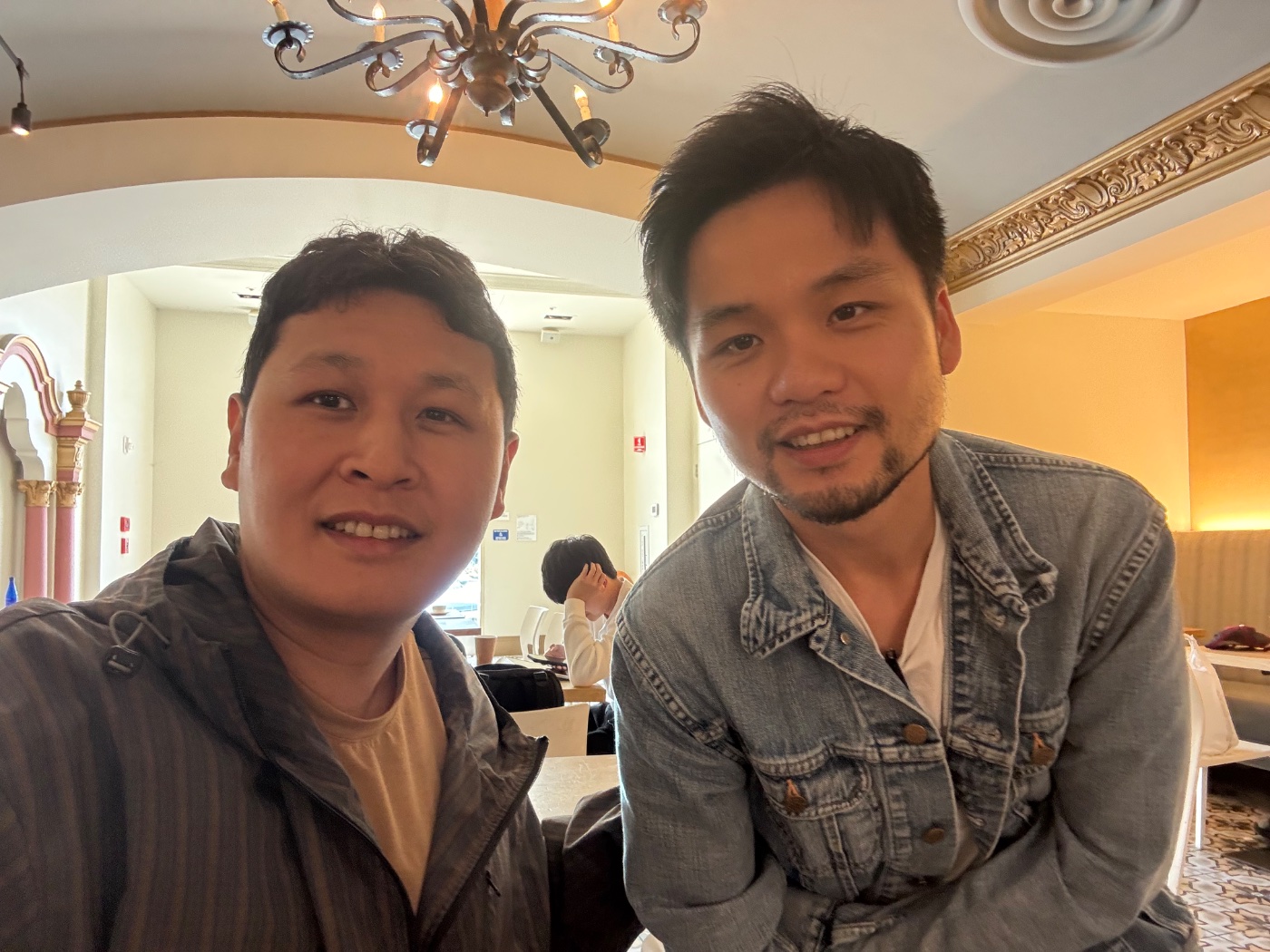
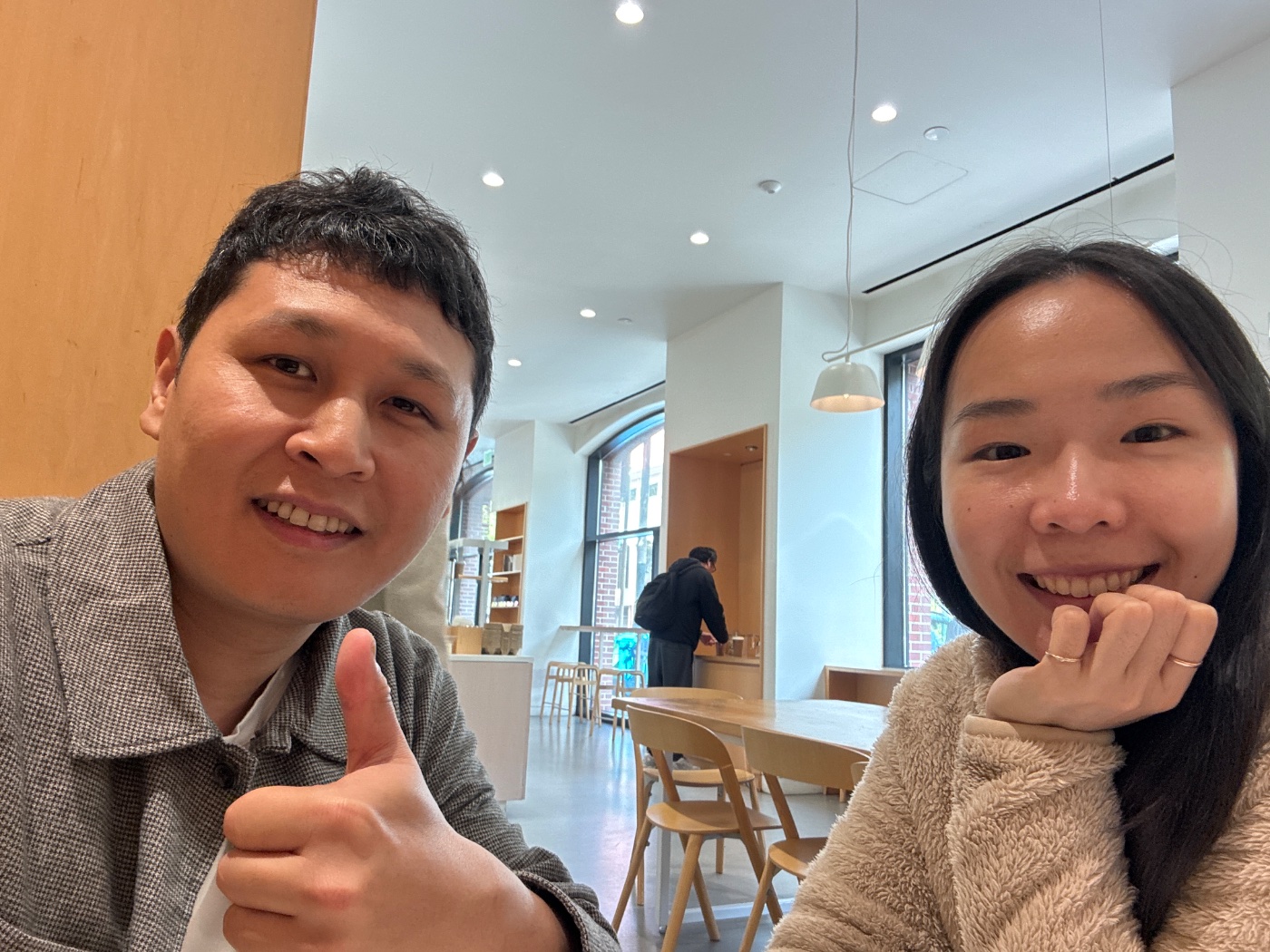
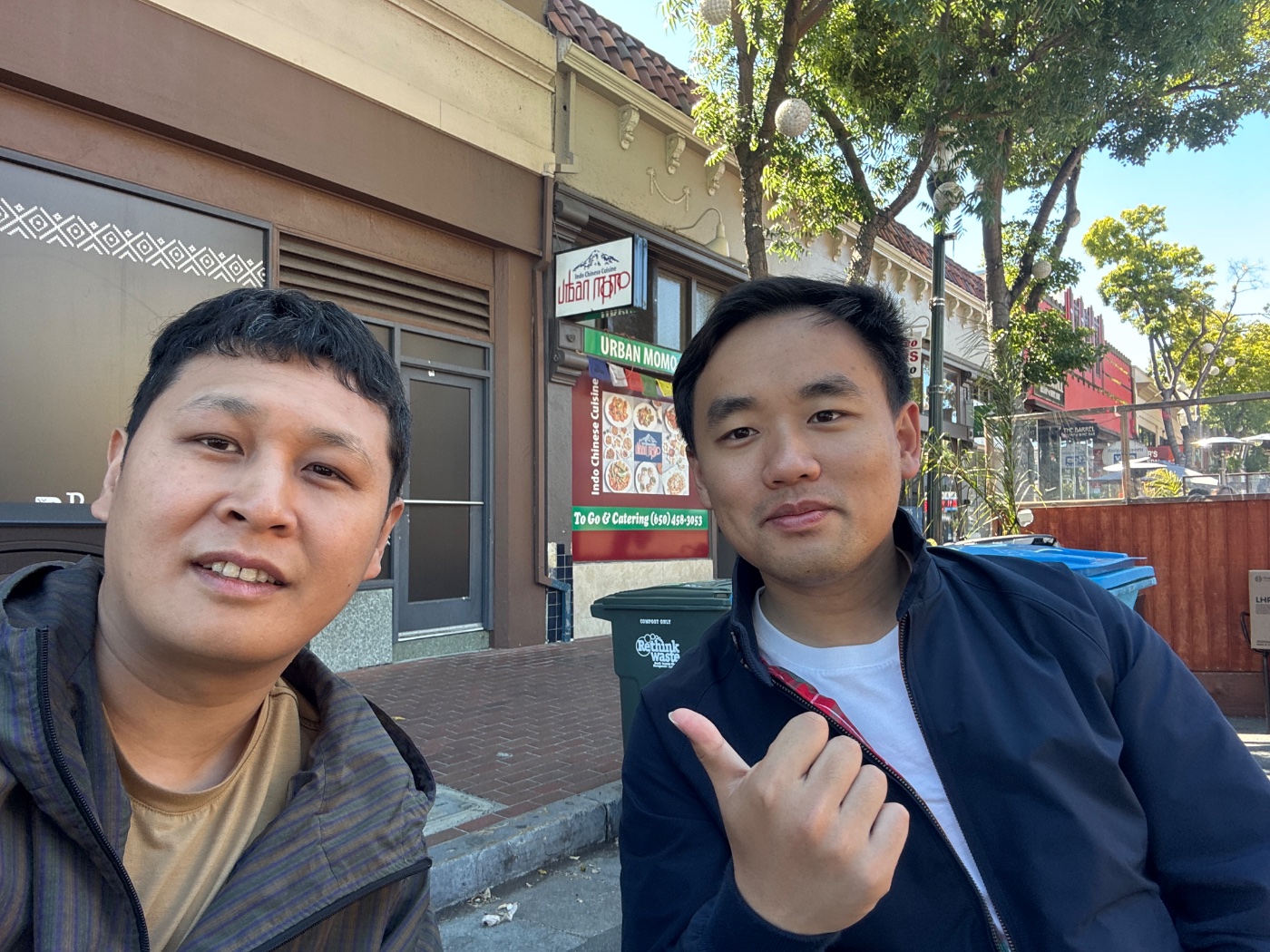
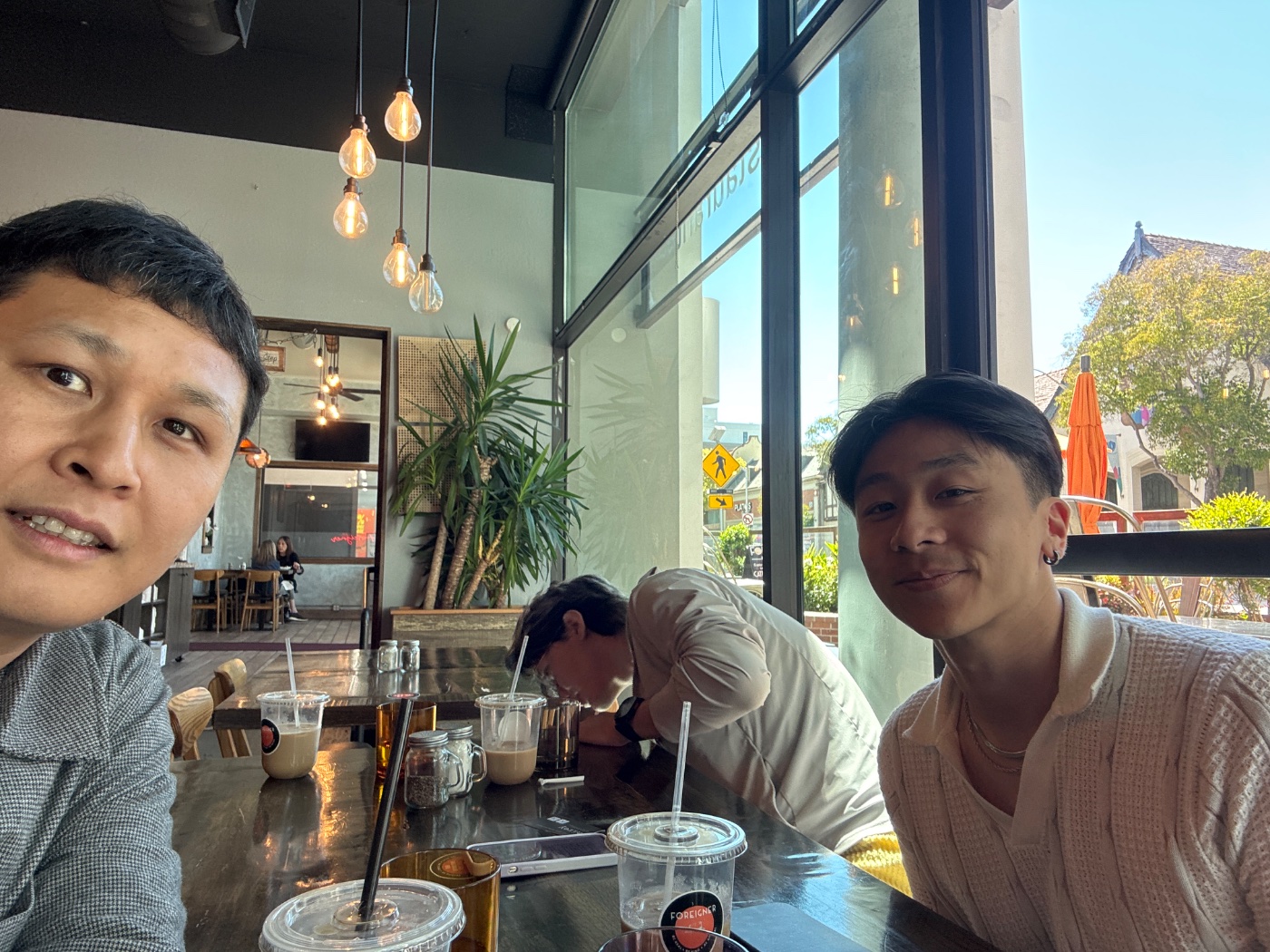
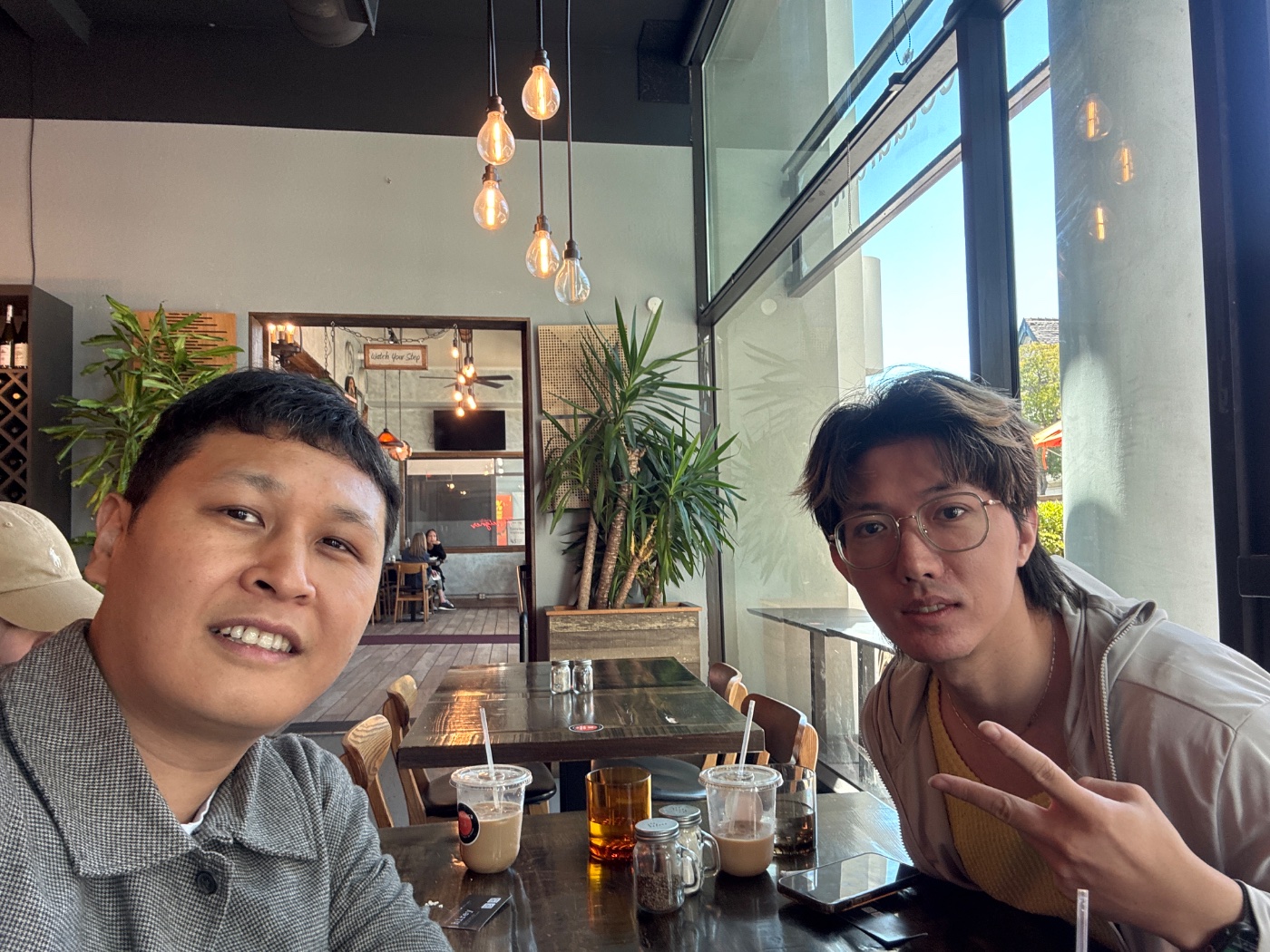
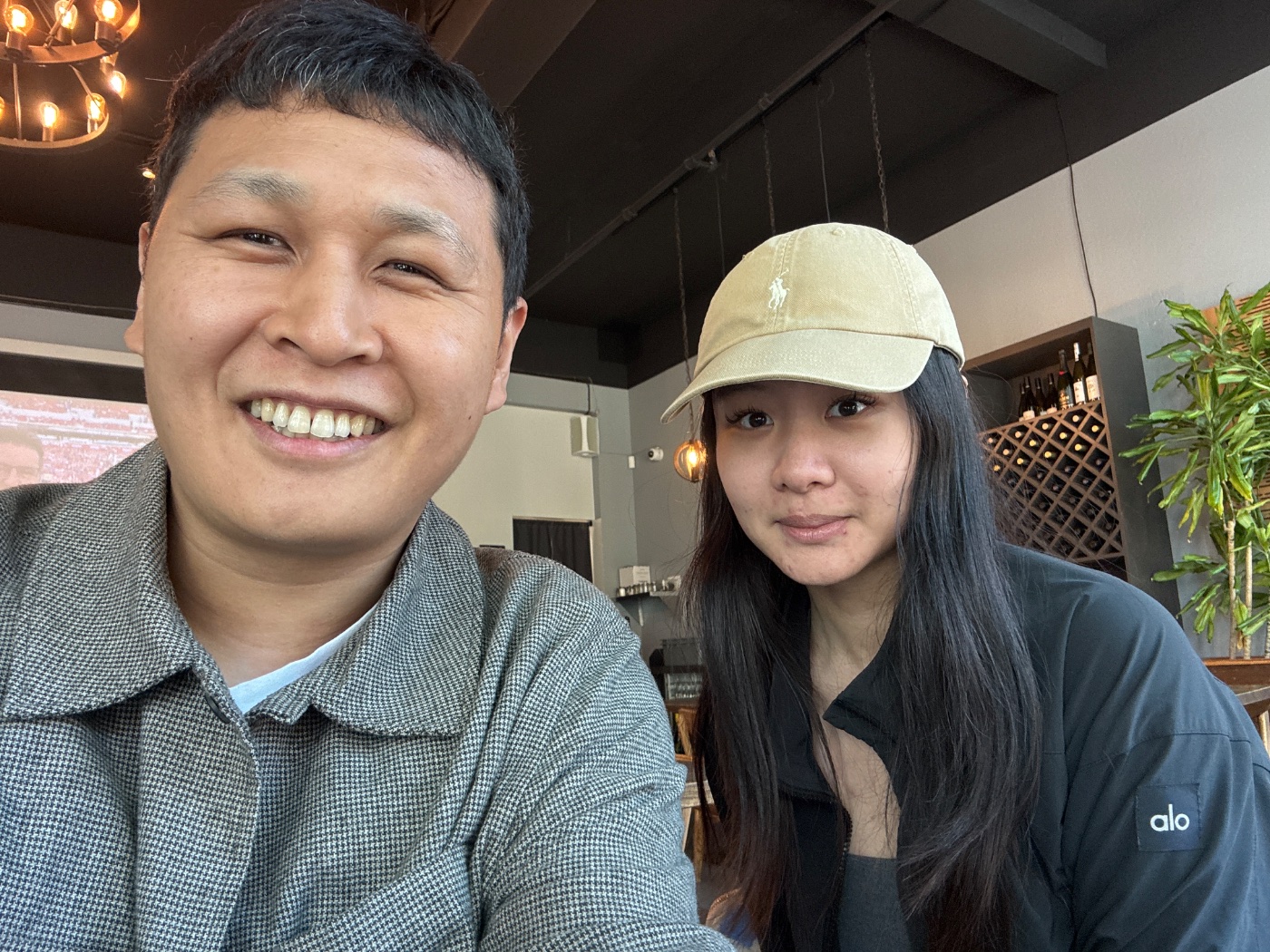
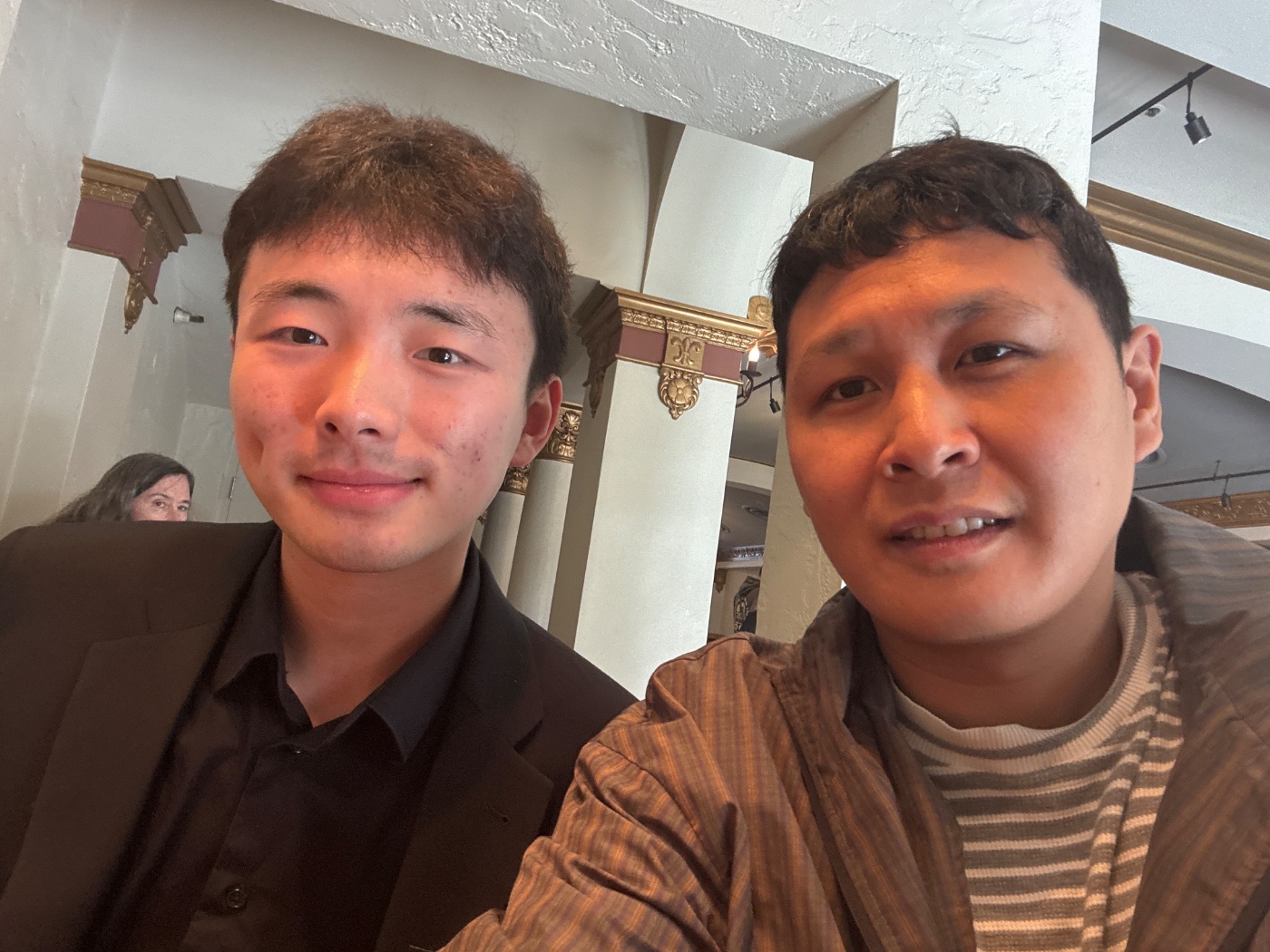
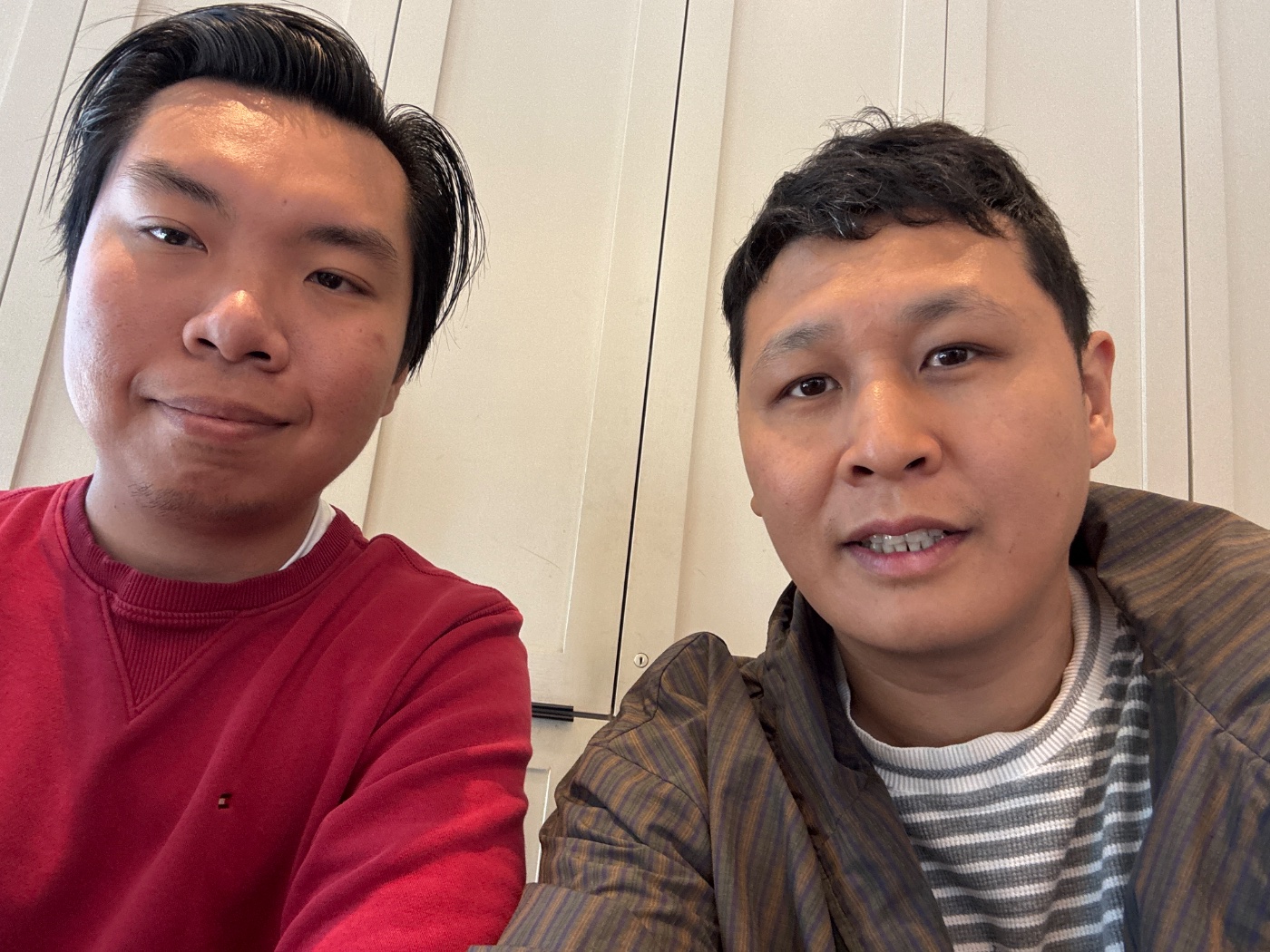
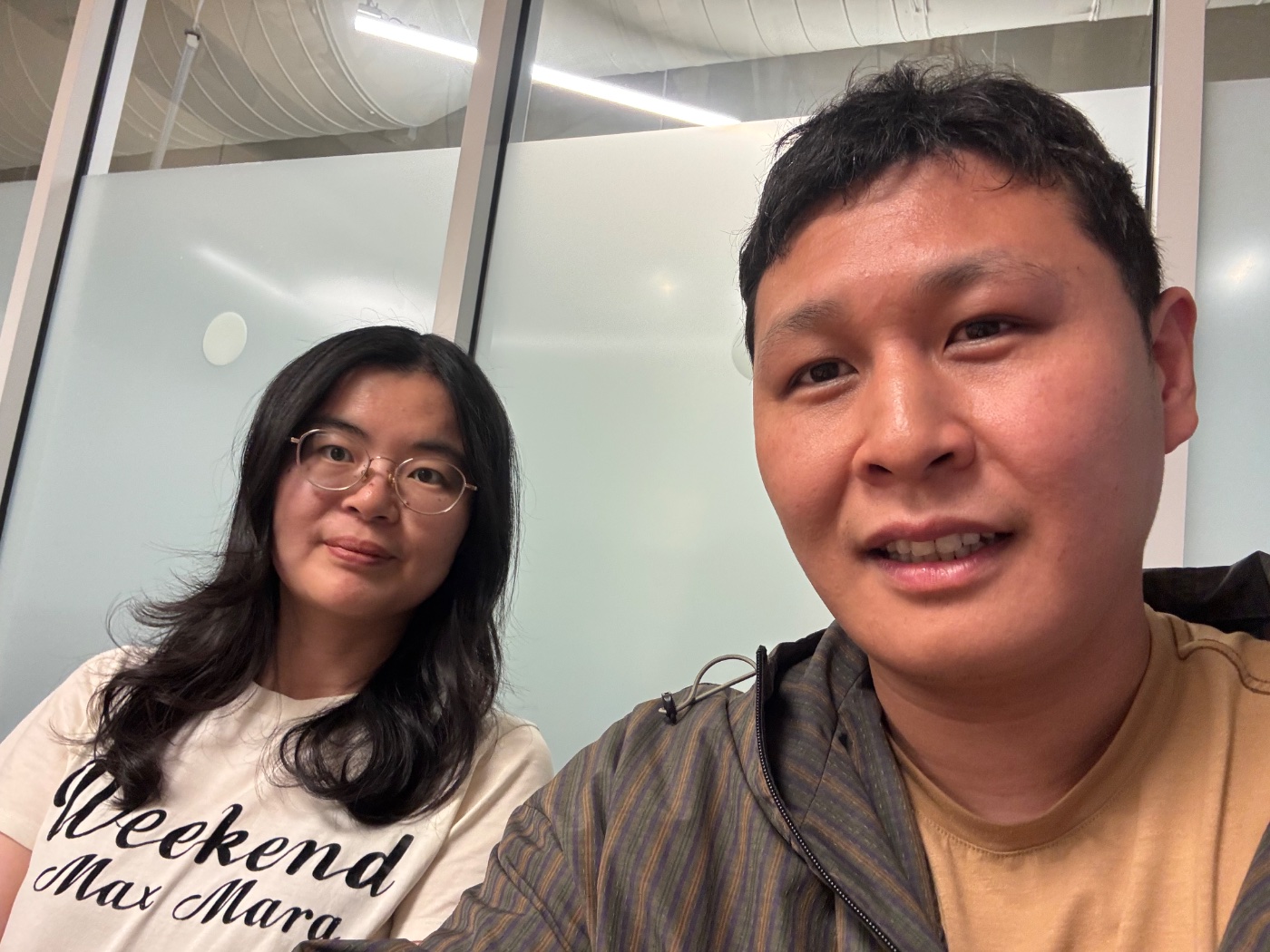
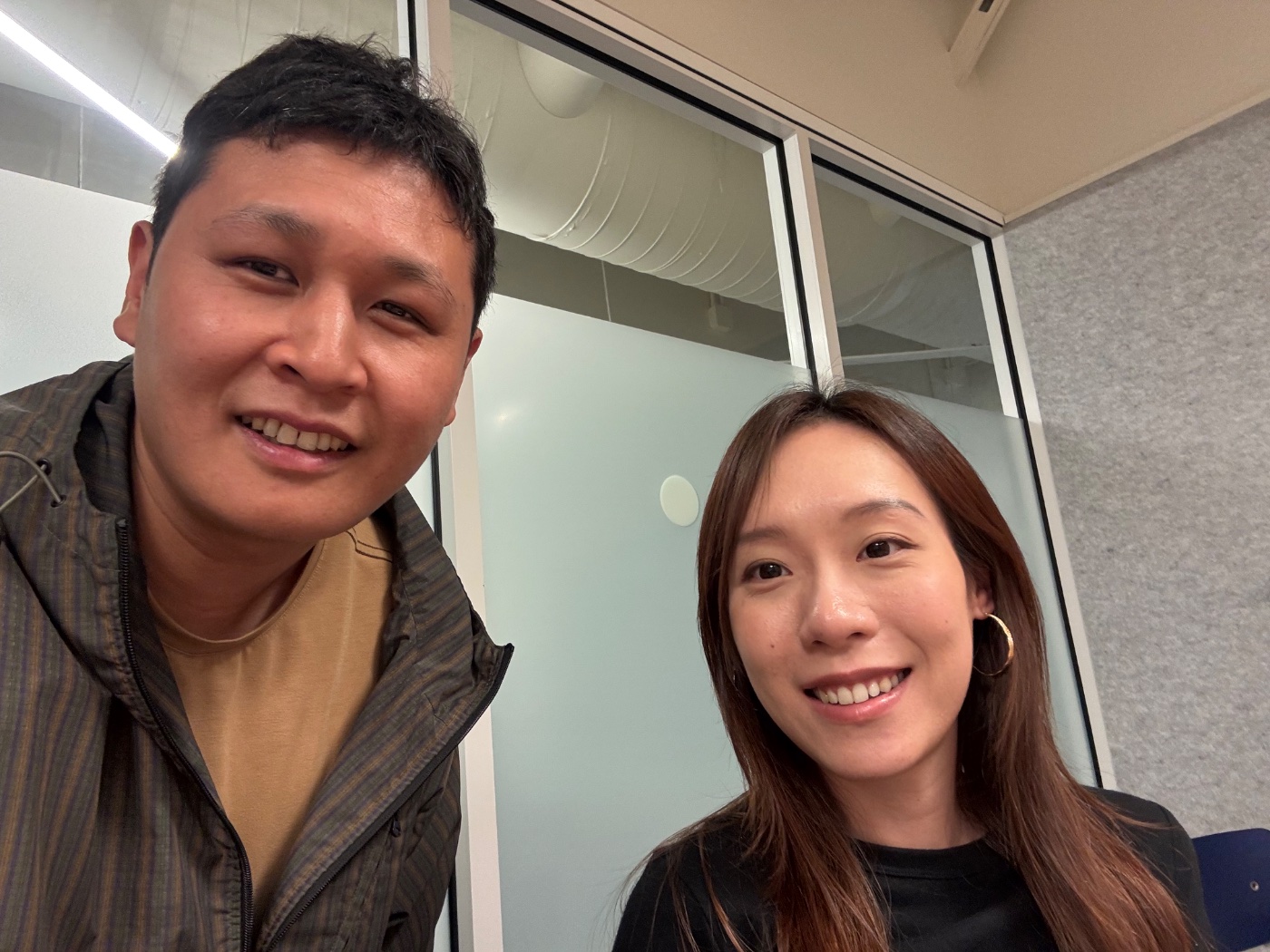
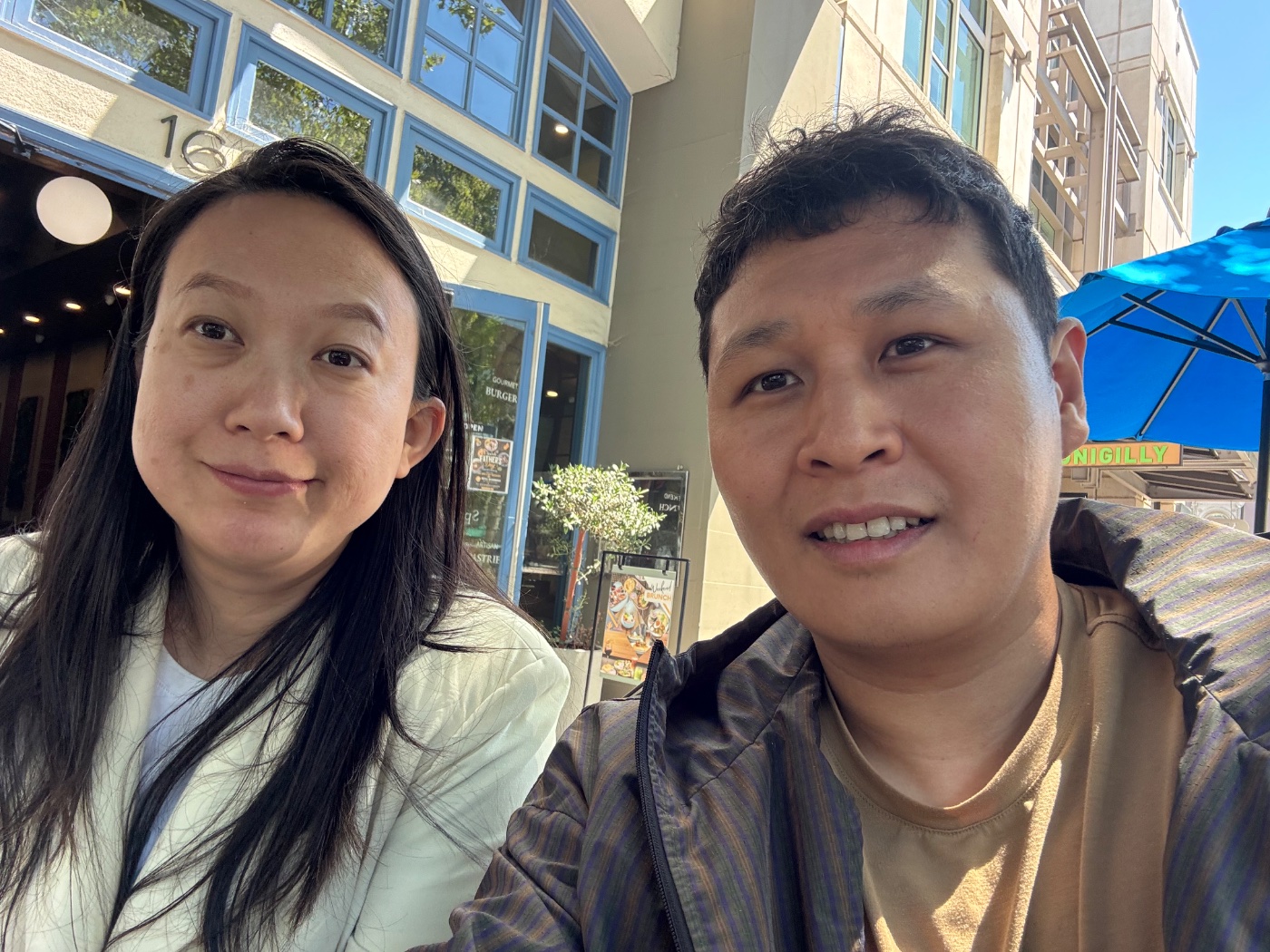
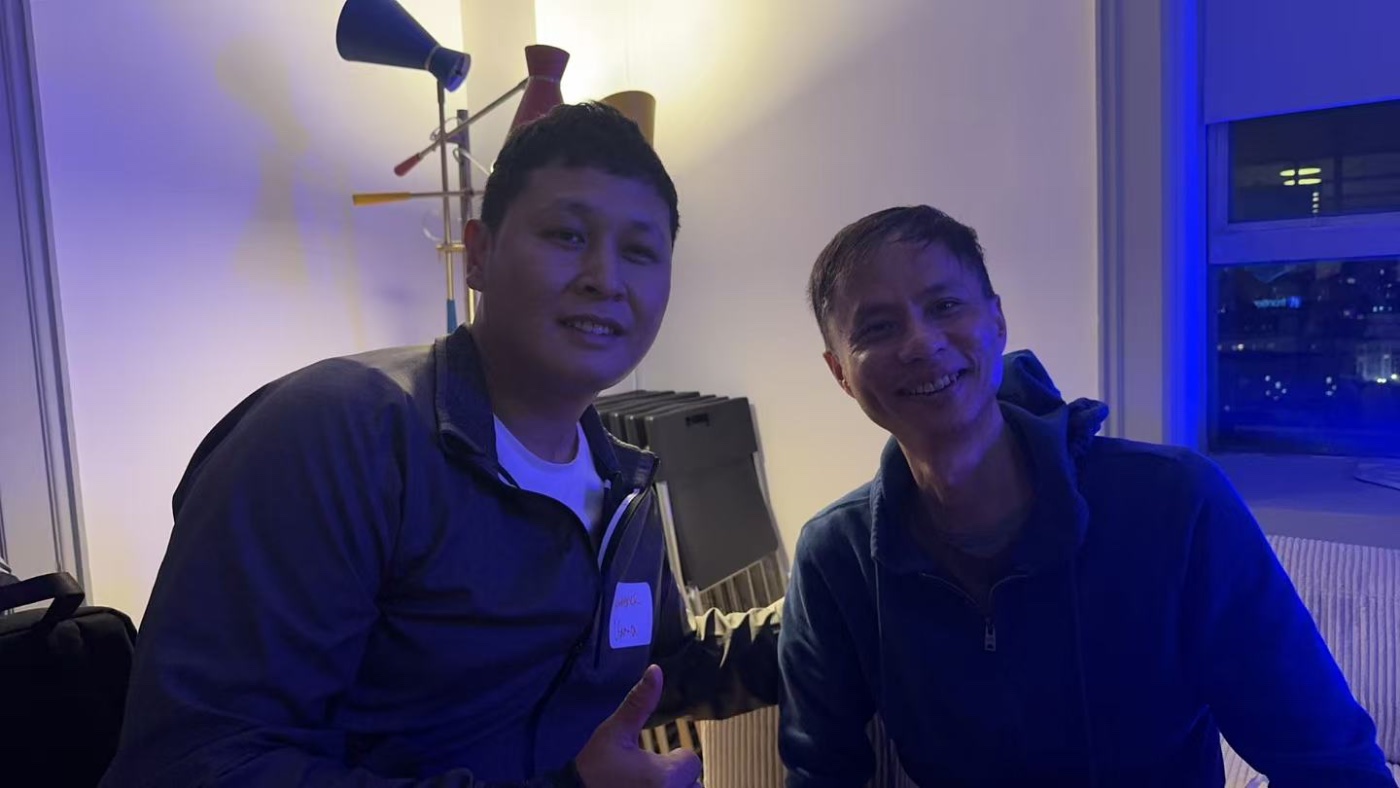
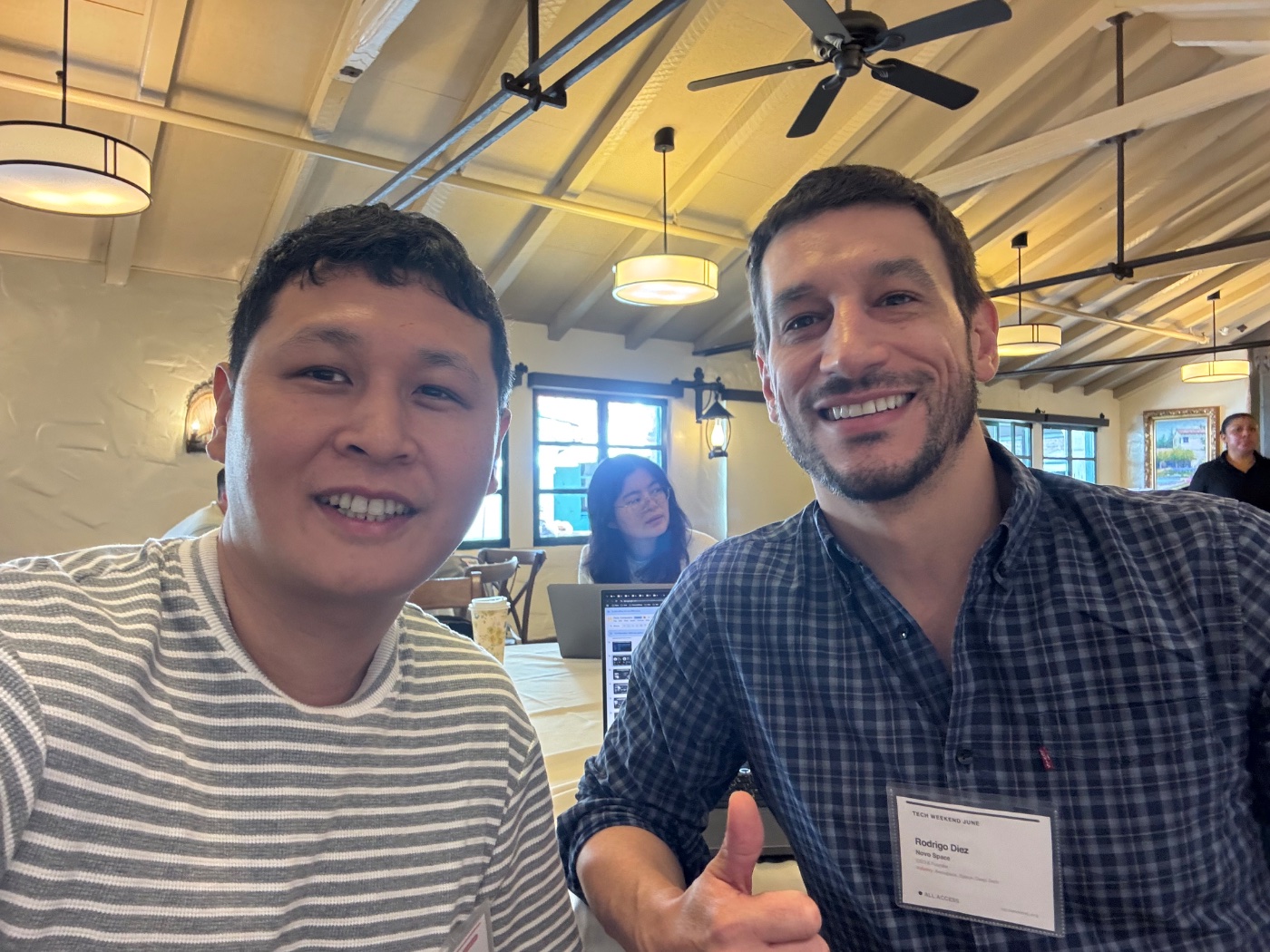
Published, attributed HiRey Moments — never private notes or contact details.
Published by this Person on HiRey.